
Common Dental Mistakes That Lead to Bigger Problems, and What to Do Instead
Avoid common dental mistakes before they become costly problems. Learn when to book dental exams and what to do instead with Brighter Smile.
August 19, 2026
A lot of dental trouble starts the same way. Not with a dramatic injury or a terrible cavity, but with a small misunderstanding.
A person assumes bleeding gums are normal. A parent thinks baby teeth do not matter much because they fall out anyway. Someone gets used to sensitivity and decides to live with it. Weeks pass. Sometimes months. Then a fixable issue turns into a harder, more expensive, more stressful one.
I see why this happens. Teeth are easy to ignore when life is busy. If you are juggling work, kids, commuting across North Vancouver, or just plain anxiety about the dentist, it is tempting to wait and hope things settle down on their own.
Usually, they do not.
Here are some of the most common dental mistakes people make, why they matter, and what to do instead.
Mistake 1: Waiting for pain before booking dental exams
This is probably the biggest one.
Many people use pain as the signal that something is wrong. The problem is that dental disease does not always start with pain. Early cavities can be painless. Gum disease often begins quietly. A cracked tooth can look fine from the outside and still worsen under pressure every day.
By the time a tooth hurts, the problem may already be deep enough to need a larger filling, a crown, or even root canal therapy.
Regular dental exams help catch problems before they become urgent. Cleanings matter too. They remove hardened buildup that a toothbrush cannot handle at home, even if your routine is solid. For people with crowded teeth, dry mouth, braces, older fillings, or gum issues, skipping cleanings can set off a whole chain of avoidable problems.
A better approach is simple. Treat dental exams and cleanings like maintenance, not damage control. If you already have anxiety about appointments, say that when you book. A good office should explain things clearly and move at a pace you can handle.
If you are looking for a dentist in North Vancouver, that standard still applies. You want prevention, plain language, and no surprises.
Mistake 2: Brushing harder because it “feels cleaner”
This one is common, and honestly, it makes sense on the surface. If some brushing is good, harder brushing must be better, right?
No. Hard brushing can wear down enamel and irritate gum tissue. Over time, it may even contribute to gum recession, which exposes more sensitive root surfaces. That is when cold water starts to sting and certain foods become annoying.
Clean teeth do not come from force. They come from consistency and technique.
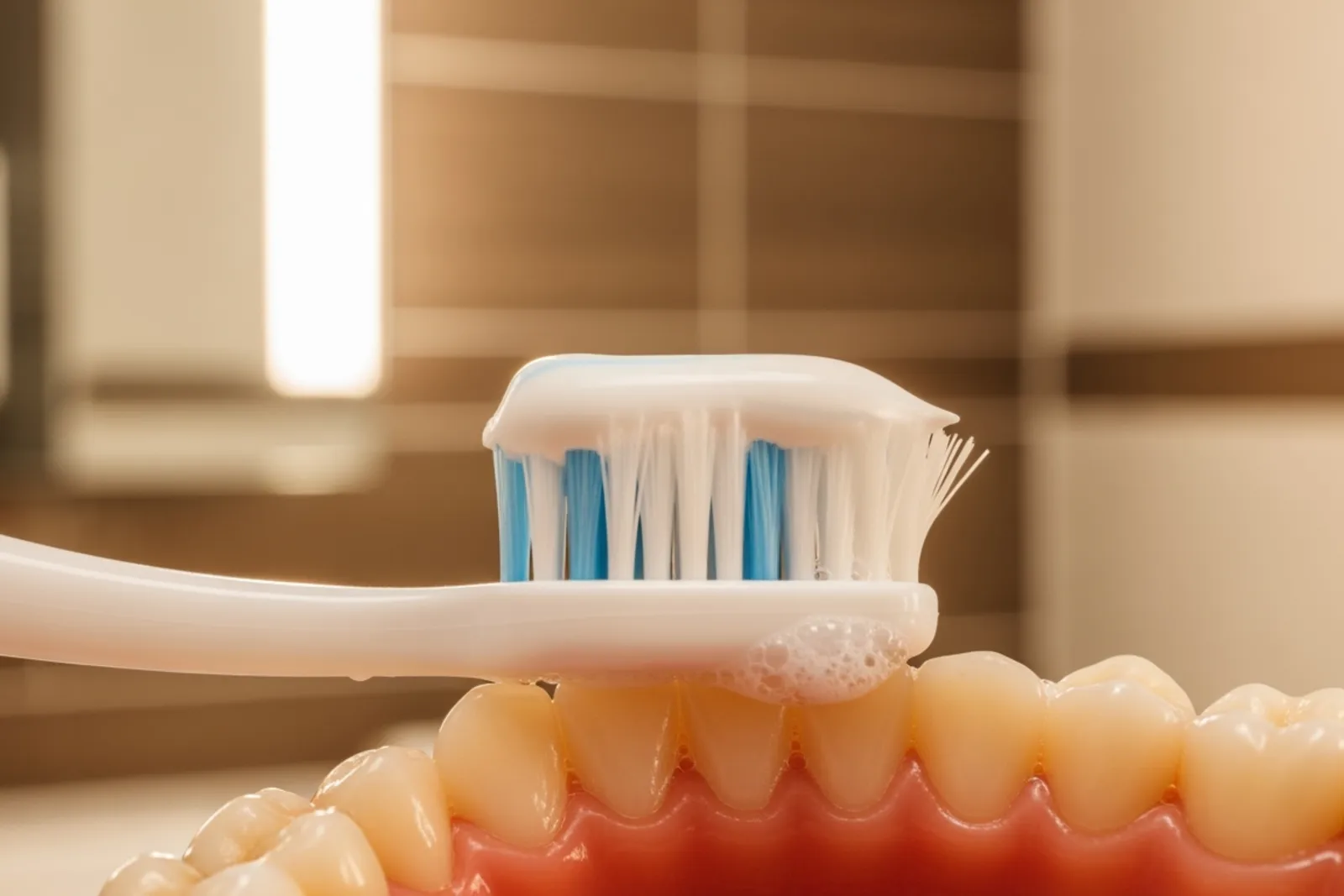
Use a soft-bristled toothbrush. Angle it gently toward the gumline. Spend two full minutes brushing. If you use an electric brush, let the brush do the work. Scrubbing back and forth like you are cleaning grout is not the goal.
This matters for adults, teens, and kids. I have seen children who brush enthusiastically but too aggressively, and adults who have done the same thing for years because nobody ever told them otherwise.
If your teeth look more worn near the gums, or if brushing has started to hurt, bring it up at your next visit. That is not a personal failure. It is a fixable habit.
Mistake 3: Thinking bleeding gums are normal
People often say, “My gums always bleed a bit when I floss.” They say it casually, like it is their version of having dry skin in winter.
Healthy gums do not usually bleed during brushing or flossing.
Bleeding is often an early sign of inflammation, usually from plaque building up around the gumline. Left alone, this can progress from gingivitis to more serious gum disease. That matters because gum disease does not only affect gums. It can lead to bone loss around teeth, loose teeth, bad breath, tenderness, and long-term damage that is much harder to reverse.
The instinct many people have is to floss less because it bleeds. That feels logical. It is also backwards.
The better move is to clean more consistently, but gently, and get the gums assessed if bleeding keeps happening. Often, the combination of a professional cleaning and improved home care makes a huge difference. In more advanced cases, you may need gum treatment beyond a routine cleaning.
This is one of those overlooked details that changes everything. People think the blood means “stop.” Often it means “pay attention.”
Mistake 4: Treating flossing like an optional extra
Some people brush faithfully twice a day and still get cavities between teeth. Then they feel cheated. I get it.
A toothbrush misses the tight spaces where teeth touch. That is where food debris and plaque can sit quietly. It is also where early decay can begin without much warning.
Flossing does not need to be perfect to help. It needs to be regular.
If traditional floss feels awkward, try floss picks, interdental brushes, or a water flosser. None of these tools are magic on their own, but the best tool is the one you will actually use. Families often do better when they stop chasing an ideal routine and build a realistic one instead.
For parents, this matters doubly. Children often do not have the dexterity to floss well on their own, even when they insist they do. Helping with flossing for longer than many people expect can prevent a surprising number of cavities.
Family dentistry works best when it focuses on habits that fit real life. A perfect routine for four days is less useful than a decent one you stick with for years.
Mistake 5: Assuming baby teeth are not a big deal
This misunderstanding causes a lot of trouble for kids.
Baby teeth hold space for adult teeth, help with speech, support chewing, and guide jaw development. When they get cavities or are lost too early, the effects can ripple forward. Nearby teeth can drift. Cleaning can get harder. Future orthodontic issues may become more likely. Kids can also develop dental fear when small problems turn into painful experiences.
Parents are not wrong to be confused here. Baby teeth are temporary. That part is true. But temporary does not mean unimportant.
A better approach is to start early with home care, routine dental visits, and a close eye on snacks and drinks. Frequent sipping matters more than many families realize. Juice, sweetened milk, sports drinks, and even constant grazing can keep teeth under attack throughout the day.
Kids also pick up emotional cues fast. If a parent treats the dentist like a looming threat, children notice. If the visit is presented as normal care, like getting a checkup for anything else, kids often handle it much better.
Mistake 6: Ignoring sensitivity, chips, or old dental work because it is “not that bad”
A tooth does not need to be screaming to need attention.
Mild sensitivity to cold can point to enamel wear, gum recession, a cracked tooth, or decay. A small chip can create a weak point that gets worse with time. An old filling that feels “mostly fine” can leak around the edges, allowing new decay to form underneath.
These problems are easy to downplay because they often come and go. You bite on the other side. You avoid ice water. You tell yourself you will deal with it later.
Later has a habit of becoming emergency dentistry.
If something in your mouth has changed, even slightly, it is worth mentioning. A rough edge, a new food trap, tenderness when chewing, a crown that feels loose, bad taste near one tooth, or sensitivity that suddenly appears, these are useful clues. Dentists would usually rather hear about a small change early than see the same tooth once it has fractured or become infected.
Here are signs that should be checked promptly:
swelling in the gums, face, or jaw
a toothache that keeps you awake or keeps getting worse
pain when biting that feels sharp or sudden
a knocked-out or broken tooth
bleeding that does not stop
a lost filling or crown with significant pain
signs of infection such as swelling, pus, fever, or a bad taste that will not go away
People often think emergency dentistry only means trauma. It also includes infections and pain that should not wait.
Mistake 7: Being more afraid of root canal therapy than the infection itself
Root canals have a terrible reputation. Some of that comes from old stories, some from movies, and some from the fact that people usually need one when they are already in pain.
The treatment itself is not usually the villain. The inflamed or infected nerve inside the tooth is.
Root canal therapy is used to clean out infected tissue inside a tooth and seal the space so the tooth can stay in place. In many cases, it relieves pain rather than causes it. Waiting too long can allow the infection to spread, damage more surrounding tissue, and reduce the chances of saving the tooth.
I have noticed that nervous patients often imagine the procedure in detail, but not the alternative. The alternative may be ongoing pain, swelling, or tooth loss.
That does not mean every sore tooth needs a root canal. Many do not. But if a dentist recommends one after an exam and imaging, the reason is usually that the nerve has already been compromised. At that point, hoping the tooth “settles down” is rarely a winning strategy.
If you have been told you might need root canal therapy, ask questions. What is the diagnosis? Is the nerve infected or only irritated? What happens if you wait? Clear answers matter. Fear shrinks when the situation is explained properly.
Mistake 8: Thinking cosmetic concerns are always separate from dental health
People hear “cosmetic dentistry” and sometimes assume it is all appearance, all optional, all vanity. That is too simple.
Some cosmetic concerns are mainly visual, like whitening for surface stains. Others overlap with health and function. A worn edge may chip further. A misaligned bite can contribute to uneven wear. Replacing an old, discoloured filling can improve appearance and reduce leakage. Closing certain spaces can make cleaning easier.
The reverse mistake also happens. People buy whitening kits when the real issue is decay, tartar, enamel loss, or a dead tooth that needs diagnosis before whitening. If you whiten first without understanding the cause of the colour change, the result may be disappointing or uneven.
A Brighter Smile is a nice goal, but the path matters. Whitening works best when the underlying teeth and gums are healthy, and when expectations are realistic. It will not change crowns, veneers, or fillings. It may increase sensitivity temporarily. It also will not fix shape, spacing, or gum problems.
Cosmetic dentistry can be useful. It just works best when it starts with a proper exam, not a guess.
Mistake 9: Putting off replacing missing teeth
Some people lose a back tooth and decide it is manageable. For a while, it often is.
Then little changes begin. Nearby teeth can shift. The opposing tooth can over-erupt into the empty space. Chewing becomes less balanced. Food traps become more annoying. Bone in the area can shrink over time because it no longer gets the same stimulation from chewing.
This is one reason dental implants matter. They are not only about appearance. They can help support chewing, maintain spacing, and preserve bone better than leaving a gap untreated. They are not the right choice for every person, and timing depends on the situation, but the decision should be informed, not postponed by default.
Dentures and bridges can also be appropriate solutions in the right case. The bigger point is this: a missing tooth is rarely a completely isolated event. The rest of the mouth responds to it.
If you have a gap you have been ignoring, even one that does not bother you much, it is worth asking what the long-term tradeoffs are.
Mistake 10: Assuming cost or coverage means there is no point asking
Money is real. Dental anxiety about costs is real too. A lot of people delay care because they are sure it will be unaffordable, or because they assume they do not qualify for any help.
Sometimes that assumption is wrong.
For some patients in Canada, the CDCP may help reduce barriers to care, depending on eligibility and the services involved. Private insurance plans vary widely. Coverage for exams, cleanings, fillings, root canal therapy, and major work can differ more than people expect. This is exactly why it is worth asking for a written treatment plan and clear estimates.
Waiting because you are embarrassed to talk about finances often makes the eventual treatment bigger and more expensive. That is the painful irony.
A better approach is direct and boring, which is usually the best kind of approach in dentistry. Ask what is urgent, what can wait, what options exist, and how timing affects cost and outcome. A decent clinic should be able to explain the difference between ideal treatment and acceptable staged treatment when needed.
The better pattern
Most dental mistakes do not come from neglect in the moral sense. They come from uncertainty, busyness, fear, or old advice that was never corrected.
The better pattern looks like this: pay attention early, ask questions, and do not treat minor symptoms as background noise. Keep up with dental exams. Book cleanings before things feel urgent. Mention changes even if they seem small. If you are nervous, say so. If cost is part of the hesitation, say that too.
For families in North Vancouver and nearby communities, that may sound ordinary. It is ordinary. That is the point. Good dental care is usually less about dramatic rescues and more about small, steady decisions made soon enough.
That may be the least glamorous advice in family dentistry. It is also the advice that saves the most teeth.